Seahawks Crucial Catch Game Brings Cancer Screening to Lumen Field
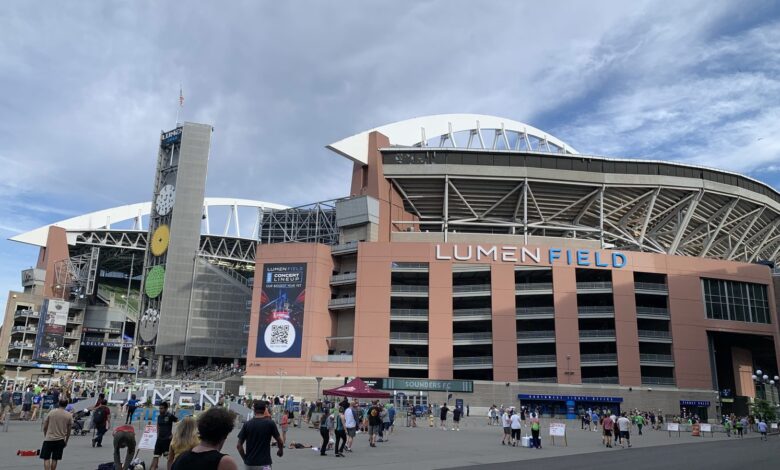
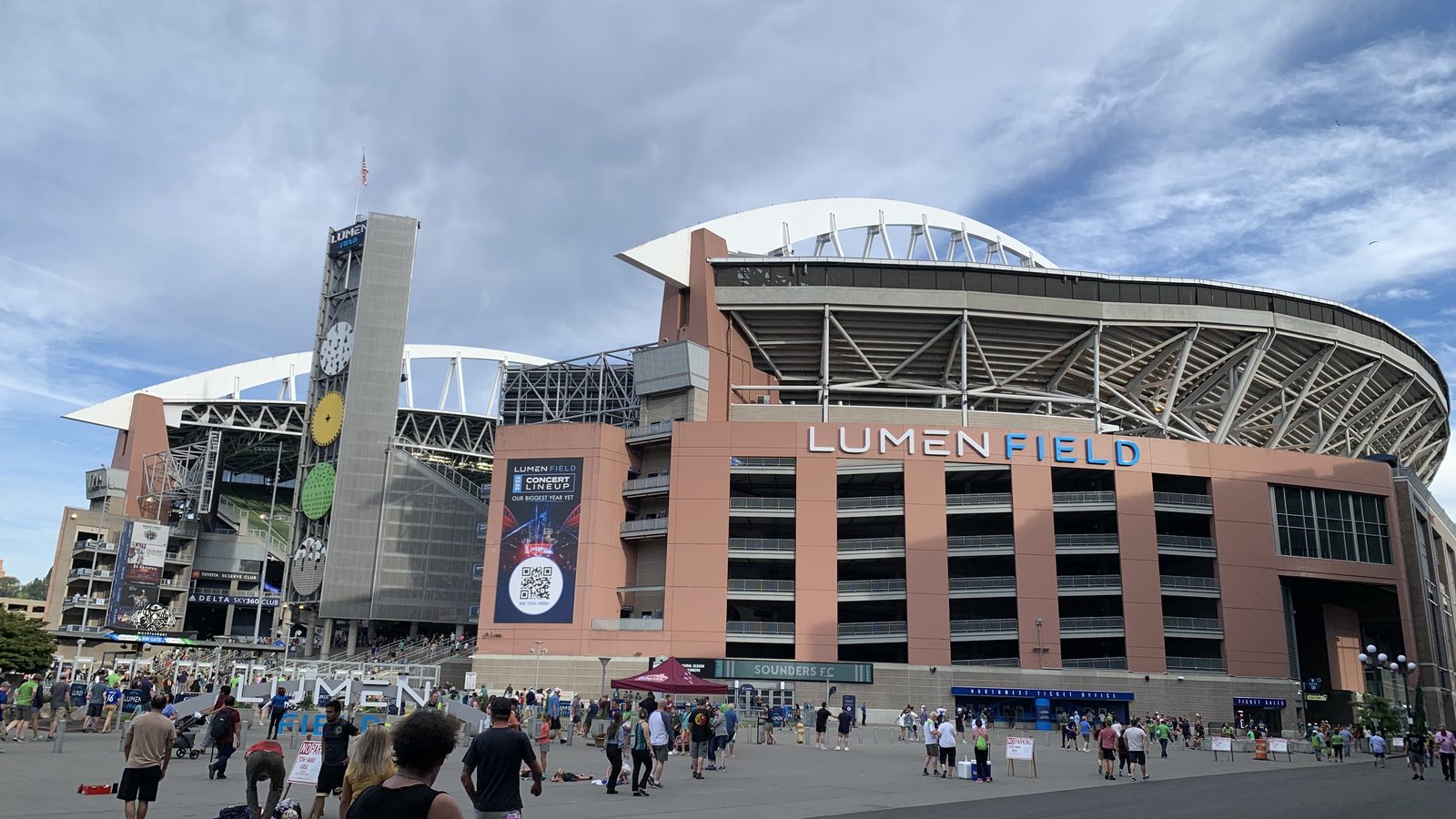
The Seattle Seahawks used their October 11 home game against the San Francisco 49ers to put early cancer detection in front of thousands of fans—and to bring screening services directly to the stadium.
Working with Virginia Mason Franciscan Health, the club made lung and prostate cancer screenings available to ticketed fans in the Lumen Field tailgate area before kickoff. At halftime, six cancer survivors representing breast, colorectal, cervical, lung, skin and prostate cancers took part in the team’s Crucial Catch bell-ringing ceremony.
The 49ers won the football game 32–29. The community program had a separate purpose: convert the reach of an NFC West rivalry into a practical invitation for fans to learn about screening, assess risk and take an action that could matter long after the final whistle.
Screening moved closer to the fan
According to the Seahawks’ program announcement, Virginia Mason Franciscan Health provided lung screening through a mobile CT unit and prostate screening through a blood test in the Ticketmaster Tailgate area. The organization also distributed prevention information and invited fans to recognize people affected by cancer.
The event’s design is important. Awareness campaigns often ask people to remember a message and act later. Bringing clinicians and screening equipment into a place fans had already chosen to visit reduced the distance between the message and the first step.
The Seahawks’ Crucial Catch community page confirms that cancer survivors joined the halftime program to ring the bell, a tradition associated with the final day of treatment. That moment gave the campaign a human center without asking survivors to stand only as symbols. Their presence was tied to concrete resources and an explicit early-detection goal.
Local activation within a national effort
Seattle’s game-day program was one expression of the NFL and American Cancer Society’s broader Crucial Catch partnership. The NFL reported on October 1 that the initiative has supported more than 1.1 million cancer screenings in under-resourced communities and has reached more than 2.7 million people with education, navigation, reminders and related resources.
The American Cancer Society said 64 NFL-funded CHANGE projects are operating in 2026 to improve access to breast, cervical, colorectal, lung and prostate cancer screening. Since 2009, the partnership has raised more than $38 million for work aimed at improving screening access in under-resourced communities.
Those national numbers give scale to the initiative. The Seattle activation shows how scale becomes usable: a mobile unit, a blood test, local clinicians, specific eligibility guidance and a visible place where fans can begin a health conversation.
The work continues after game day
The Seahawks said their October campaign extends beyond the stadium. On October 20, the club, Virginia Mason Franciscan Health and the Muckleshoot Tribe plan to host an early-detection education event at the Muckleshoot Community Center in Auburn, Washington. The program is scheduled to include cancer-prevention information from physicians and family football activities.
The team also said 12 percent of proceeds from in-store sales of official Seahawks Crucial Catch gear during October will go to a local Crucial Catch Fund supporting patients who face incidental treatment costs. During Sunday’s game, the club pledged 25 cents from every bottle of water sold to that fund.
Those details matter because cancer’s burden is not limited to clinical bills. Transportation, food, lodging, time away from work and other practical costs can make treatment harder to navigate. A community campaign is more credible when it links awareness to the barriers people actually encounter.
What football organizations can learn
HuddleUp analysis: The strongest part of Seattle’s Crucial Catch game was not the branding. It was the combination of attention, access and continuity.
The football platform created attention. On-site screening created access. The October 20 community event and patient-support fund created continuity beyond one game. That three-part model gives other sports organizations a useful standard: public visibility should lead to a clear next step, and that step should connect to trusted local institutions.
There is also a leadership lesson in keeping the community work distinct from the score. Seattle lost a close division game, but the health resources did not become less important. Responsible community engagement is not a victory celebration; it is part of the organization’s ongoing relationship with the people in its market.
A message designed for action
Crucial Catch’s central idea is straightforward: earlier detection can improve outcomes, and too many people still face barriers to screening. Seattle’s October 11 activation translated that idea into a football setting while offering fans a practical route toward care.
For screening guidance, risk information and a locator for local resources, fans can visit the NFL and American Cancer Society Crucial Catch resource center or discuss appropriate screening with a qualified health professional.
Sources: Seattle Seahawks; Seahawks Crucial Catch community page; NFL; American Cancer Society; Seahawks game recap.
About the author: Stacy James and the HuddleUp NFL Sports Desk report verified league, team and football-culture developments using official sources and clearly attributed independent reporting.