
Texans Acquire Marvin Harrison Jr. in High-Stakes Trade With Cardinals

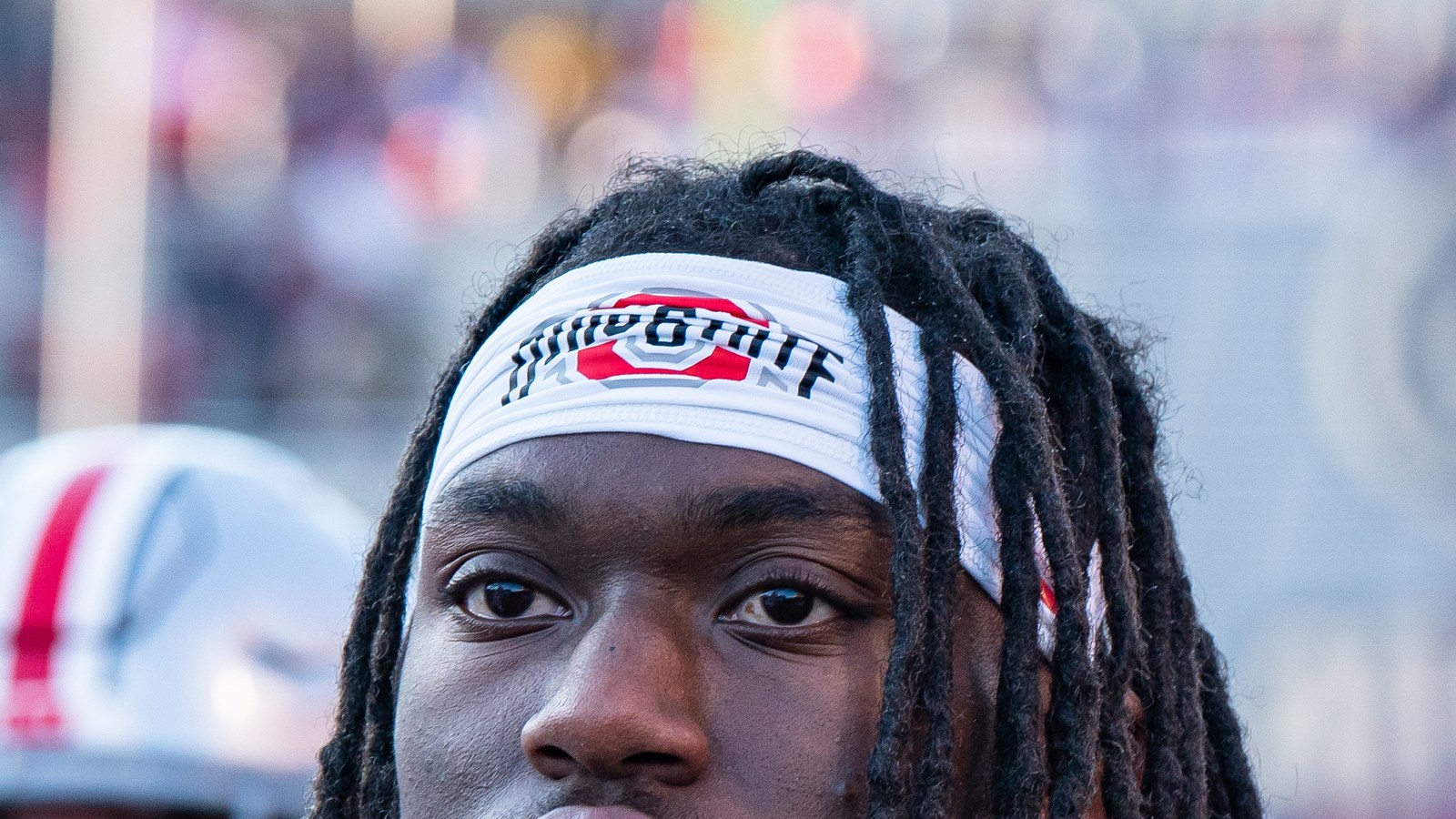
The Houston Texans acquired wide receiver Marvin Harrison Jr. from the Arizona Cardinals on Monday, October 12, completing one of the 2026 season’s most consequential early trades and reuniting Harrison with former Ohio State quarterback C.J. Stroud.
Arizona receives a 2027 second-round pick and a 2027 seventh-round pick. Houston receives Harrison and a 2027 sixth-round pick. The Cardinals said the agreement remained contingent on Harrison passing a physical, while the Texans’ evening transaction notice listed him as acquired.
The terms make the move more than a change of scenery. Houston is committing a premium future draft asset to a 24-year-old receiver whose early NFL production has not matched the expectations attached to his No. 4 overall selection in 2024. Arizona is accepting that a highly drafted player no longer fits its plan and turning the roster spot into future capital.
What the Marvin Harrison Jr. trade includes
The Cardinals announced the final compensation Monday afternoon. Their statement clarified that the seventh-round selection headed to Arizona was originally San Francisco’s pick, according to ESPN.
Cardinals general manager Monti Ossenfort said, “Decisions like this are never easy.” His full statement thanked Harrison and said Arizona’s guiding responsibility was to do what it believed best for the team.
That framing matters because the transaction closes a short, closely watched chapter. Harrison played 33 games for Arizona, recording 108 receptions for 1,578 yards and 13 touchdowns, according to the club. Through four appearances in 2026, the NFL reported five catches on 13 targets for 85 yards and one touchdown.
Houston’s notice was intentionally spare: it identified Harrison as a 6-foot-3, 220-pound receiver with three years of experience. The brevity confirmed the roster action without asking a transaction release to settle what his role will become.
Houston is buying a football relationship
The clearest football connection is Stroud. Harrison and Stroud played together at Ohio State, giving the Texans a receiver-quarterback pairing with shared experience even though the NFL system, timing and weekly demands are different.
Familiarity can shorten communication, but it does not guarantee production. Harrison joins a receiver group led by Nico Collins, with Tank Dell having returned to practice, as the NFL noted. The Texans must determine where Harrison can create value without treating his draft pedigree as a substitute for current execution.
Houston improved to 1–4 with a 26–3 victory over Tennessee on Sunday. The trade therefore arrives at an urgent point: the Texans are trying to change the shape of an offense while there is still enough season left for the move to matter.
The price reflects that urgency. A 2027 second-round selection can become a cost-controlled starter, a trade asset or the flexibility to address a future need. Houston is exchanging that optionality for a player it can evaluate immediately inside its own building.
Arizona chooses clarity over sunk cost
For Arizona, moving a former top-five pick after 33 games is an admission that the original plan did not develop as intended. It is also a decision to stop allowing the original investment to dictate the next one.
HuddleUp analysis: Strong leadership does not confuse persistence with refusing to change. The Cardinals had to compare two risks: keeping Harrison in a role that had diminished, or accepting the public scrutiny of trading him while his value could still return a second-round pick.
The second path creates a cleaner evaluation of Arizona’s remaining receiver room and adds future draft leverage. It also places responsibility on the front office to turn that leverage into something more useful than the player it moved.
Ossenfort’s statement avoided blaming Harrison. That restraint is important. A separation can be strategically necessary without becoming a character judgment, especially when a young player is moving to another organization with a different scheme and support structure.
A reset with expectations on both sides
Harrison enters Houston with recognizable talent, family legacy and a college connection to the quarterback. He also arrives with recent production that makes a reset necessary. The Texans should be judged on whether they create a role based on what he does now, not on the expectations that followed him into the 2024 draft.
For Harrison, the reunion with Stroud offers a familiar communication point but no exemption from earning trust. Route detail, availability, blocking responsibility and consistency will determine how quickly the offense can rely on him.
For Arizona, the trade will be evaluated over a longer horizon. The Cardinals have received a valuable pick, but the final grade depends on the player selected or the asset eventually acquired with it.
The transaction is therefore a leadership test for three parties. Houston must integrate a high-profile addition without disrupting roles. Arizona must demonstrate that its future plan is coherent. Harrison must convert a second opportunity into dependable work. The names and draft positions create the headline; the daily standards will determine whether the trade changes either franchise.
Sources: Arizona Cardinals announcement; Houston Texans transaction notice; NFL transaction report; NFL transaction wire.
About the author: Stacy James and the HuddleUp NFL Sports Desk report verified league, team and football-culture developments using official sources and clearly attributed independent reporting.




.jpg)