Eagles Turn a 21-Point Thanksgiving Deficit Into a 39–38 Lesson in Collective Belief
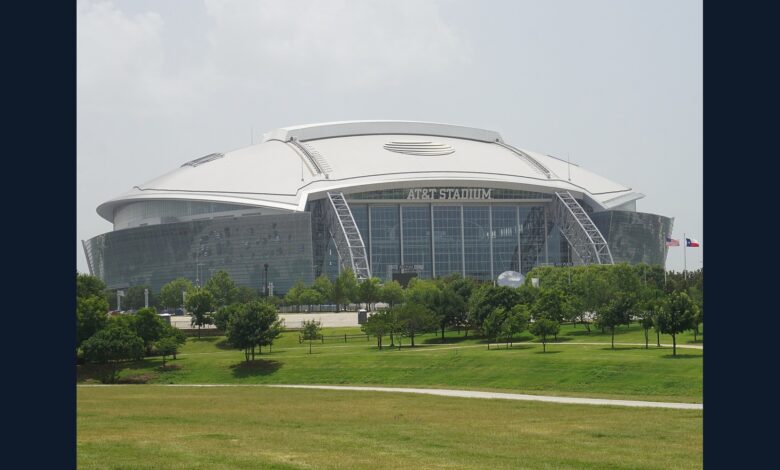
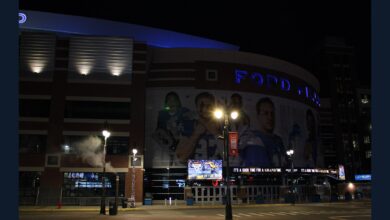
Archival and illustrative photograph: the exterior of AT&T Stadium in Arlington, Texas on June 27, 2020. Credit: Michael Barera; source: Wikimedia Commons. Rights: CC BY-SA 4.0. Shown in a full-frame presentation with neutral borders added by HuddleUp to preserve the complete original composition; no image content was removed. This archival stadium photograph does not depict the November 26, 2026 Eagles–Cowboys game, its players or the comeback.
Event/update date: November 26, 2026
The Philadelphia Eagles erased a 21-point deficit and beat the Dallas Cowboys 39–38 on Thanksgiving, completing the largest comeback in NFL Thanksgiving game history. Jake Elliott’s 59-yard field goal with two seconds remaining supplied the winning points.
Philadelphia trailed 31–10 in the third quarter after Dallas controlled the first half. Joe Milton, playing his third start for the Eagles against the franchise that employed him last season, responded with the best passing performance of his NFL career.
Milton treated opportunity as responsibility
Milton completed 21 of 31 passes for a career-high 331 yards and three touchdowns. He also ran 15 yards for a fourth-quarter score. The numbers were impressive, but their context made them more significant.
The Eagles signed Milton from the Dallas practice squad on October 16. His role expanded after Philadelphia lost Jalen Hurts for the season following a diagnosis of blood clots. Milton entered a difficult situation rather than a stable succession plan, and Thursday required him to recover from a first half in which Dallas dictated the game.
Analysis: Replacement leadership is often judged by whether one person can imitate the unavailable starter. That is usually the wrong standard. A replacement’s responsibility is to use his own strengths while the organization adjusts around him. Milton’s arm strength, movement and willingness to attack downfield gave Philadelphia a path back into the game.
DeVonta Smith made trust visible
DeVonta Smith caught 11 passes for a career-high 200 yards and two touchdowns. His connection with Milton changed the game through 50-yard and 45-yard scoring plays.
The first long touchdown started the comeback. The second turned belief into pressure on Dallas. Smith’s route discipline and ability to finish at the catch point gave a quarterback in a developing role a dependable answer.
A trusted teammate does more than produce statistics. He reduces uncertainty. On a day when Philadelphia’s offense needed quick proof that the deficit was manageable, Smith turned two throws into immediate evidence.
The comeback required all three phases
Philadelphia’s offense deserves attention, but the final margin was created across the roster. The Eagles scored on special teams when Dallas had a punt blocked in the fourth quarter. Their defense slowed an offense that had converted six of seven third downs in the first half. Elliott then accepted responsibility for a 59-yard attempt with the game at stake.
Milton’s 24-yard touchdown pass to Makai Lemon with 2:10 left and the following two-point conversion tied the game at 36. Dallas moved back in front with a safety, but Philadelphia still created one more possession and one final scoring opportunity.
That sequence matters because comebacks are frequently described as the work of a quarterback alone. Milton was central, but the Eagles needed protection, receiving, defense, special teams and field-goal execution. Collective belief became credible because each unit contributed something measurable.
Dallas must study how control disappeared
The Cowboys led 28–10 at halftime and 31–10 in the third quarter. Their offense had created explosive plays and favorable situations. Yet the defense surrendered long touchdowns, special teams gave away points and the offense could not produce the closing drive that would have protected the lead.
Dallas fell to 5–7. Philadelphia improved to 4–7. Those records keep the result in proper perspective: this was not a championship, and neither team can allow one holiday game to conceal a season’s larger problems.
For Dallas, accountability should be shared rather than vague. “Everyone is responsible” becomes useful only when the team identifies specific breakdowns, assigns corrections and protects players from carrying blame that belongs to the whole operation.
Philadelphia gained more than a dramatic memory
The Eagles proved that their season can still contain growth. Milton showed he can lead an aggressive passing plan. Smith demonstrated that his role can expand when the offense needs a stabilizing presence. Special teams changed the game. The defense found stops after a damaging first half.
None of that guarantees continued success. The same team was 21 points behind, and the comeback does not remove the reasons it reached that deficit. A professional response celebrates the finish and studies the beginning with equal honesty.
The useful lesson is not that belief magically changes a score. Belief gives players permission to continue executing when the score makes retreat feel reasonable. Philadelphia paired that belief with long touchdowns, a blocked punt and a pressure kick.
The 39–38 final will live in Thanksgiving history because of the size of the comeback. Its lasting value to the Eagles will depend on whether the habits behind it become repeatable after the holiday.
Sources
- Philadelphia Eagles: official game recap
- Dallas Cowboys: official game recap
- NFL: Thanksgiving tripleheader analysis
- Associated Press: Milton leads the comeback against his former team
- NFL: official Week 12 scores
Join the Huddle for email updates.
Explore HuddleUp Magazine’s published NFL coverage portfolio. This desk report is continuing coverage and is not presented as on-site Media Week reporting.
Newsroom transparency: This AI-assisted desk report was produced from the linked public sources and edited for accuracy and context. HuddleUp did not conduct an on-site interview. Read our Editorial Standards & Transparency.