Bears’ 38th Coat Drive Shows How Community Work Becomes Infrastructure
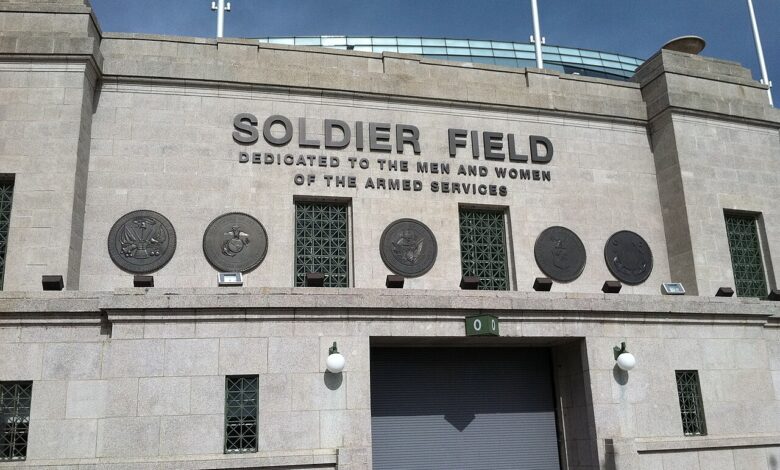
Archival and illustrative photograph: the entrance to Soldier Field in Chicago on October 16, 2011. Photo by BryanDavis via Wikimedia Commons. Licensed CC BY-SA 3.0. Shown full frame by HuddleUp; This photograph is archival and does not depict the October 2026 coat-drive launch, its participants or donated coats.
By Stacy James · HuddleUp NFL Sports Desk
Event date: October 28, 2026
The Chicago Bears opened their 38th annual coat drive on Wednesday with a goal of collecting more than 25,000 new or gently used coats for people across the Chicago region. The longevity matters, but the most useful story is the infrastructure behind it: collection sites, transportation and distribution partners working over several months.
A seasonal appeal can create a brief burst of attention. A 38-year program becomes something different. It becomes a community system that can be repeated, improved and trusted when cold weather returns.
The collection network is already operating
The Bears’ official announcement says the 2026 drive launched October 28 with tight end Colston Loveland and longtime equipment staff member Tony Medlin. The program is conducted with Jewel-Osco, The Salvation Army and Shur-Way Movers.
Coats can be donated at more than 190 participating Jewel-Osco stores in Illinois through February 28, 2027. The official drive page also identifies Bears Fit in Vernon Hills as a drop-off location and says no membership is required to donate there.
The goal is more than 25,000 coats. That number is a target, not a result, and it should be reported that way until the partners announce a verified final total.
According to the team, Shur-Way Movers collects the donated coats and The Salvation Army distributes them to individuals and families. Those operational details are essential. A donation is useful only when it moves from a collection bin to a person who needs it.
Longevity turns goodwill into capacity
The Bears say their equipment department began the coat drive in 1988. That origin gives the program an unusually direct connection to the people whose everyday football work includes clothing, equipment, weather and player readiness.
HuddleUp analysis: Community impact is often described through personalities, but durable service depends on logistics. Retail locations provide access. A moving company provides transportation. A human-services organization manages distribution. The team provides visibility and a tradition that can motivate participation.
No single partner could replicate the same reach as easily. The value of the collaboration is that each organization performs a role aligned with its capacity, and residents encounter multiple entry points rather than one ceremonial event.
The extended collection window also matters. Running through late February gives people time beyond the launch week and keeps the drive connected to the coldest part of the season. It reduces dependence on one day’s weather, one player appearance or one news cycle.
A player appearance can support the mission without becoming the mission
Loveland’s presence gives the launch current football visibility. Medlin’s presence connects it to the institutional memory of the equipment department. Together, they represent two different kinds of credibility: a player who can reach today’s audience and a staff member whose service helps explain why the tradition has endured.
The beneficiaries should remain central. The official materials describe a regional need for winter coats and a mechanism for responding. They do not provide a verified count of recipients or a guarantee that every donated item will meet every need. HuddleUp will not invent those measures.
Donors can help the system work by contributing clean, wearable coats and following the location guidance published by the organizers. Clear condition standards reduce the sorting burden and respect the people who will receive the items.
What responsible impact reporting should measure
A successful campaign should eventually be evaluated through confirmed collection and distribution results, not only its stated goal. Useful follow-up questions include how many coats were accepted, how many were suitable for distribution, where they were delivered and whether certain sizes or communities faced gaps.
Those questions do not diminish the launch. They protect the distinction between intention and outcome. The Bears and their partners have established the infrastructure; the public response and final distribution will determine the year’s verified impact.
There is also a leadership lesson in repetition. Community trust is rarely built by a single large gesture. It grows when organizations return, keep their partners, make participation easy and report what happened. Thirty-eight annual campaigns create expectations that the work will outlast a roster, a coaching staff and a season.
The Bears’ coat drive is football culture at its most practical. It uses the team’s regional platform, an equipment department’s tradition and partners’ operational capacity to address a predictable need. The invitation is simple, but the system behind it is the real story.
For now, the verified development is the launch and the goal. The final number belongs to the future, after the February 28 collection deadline and a confirmed report from the organizers.
Join the Huddle for HuddleUp email updates.
Explore HuddleUp’s published NFL coverage portfolio.
Newsroom transparency: This AI-assisted desk report was produced from the linked public sources and edited for accuracy and context. HuddleUp did not conduct an on-site interview. Read our Editorial Standards & Transparency.